Healthy Food Research: Foods to Eat or Not to Eat (or to Limit)
Foods to Eat, Not to Eat, or to Limit for Cancer and General Health Improvement: Explore Over 100 Links (Statistics, Studies, and Professional Medical Advice)
The last couple weeks I have been researching food and lifestyle solutions for various conditions impacting loved ones such as ADD, prostate cancer, pancreatitis, Parkinson’s, liver issues, and others.
In some ways I’m not surprised what I’m finding, and yet other things have been surprising. It is very compelling to see the same things recommended to eat or to avoid eating over and over again across all these sources for these conditions. It seems reasonable to suspect there are important takeaways that pertain generally to human health beyond just these specific health conditions since certain recommendations appear repeatedly in studies and they are mentioned in general health recommendations from health institutions as well. I have been seeing this information from sources such as WHO, NIH, John Hopkins, Cancer Institute NSW, Mayo Clinic, Harvard Health, and more, both nationally and internationally.
There are small mentions of other things I found in one piece here or one piece there that I did not include in this article since I saw those less frequently. For example, I came across a mention that corn, certain nuts, or red pigment fruits like apples and cranberries could be avoided or reduced for ADD. But in this article I am only sharing the foods to avoid or to incorporate that seemed heavily mentioned and at the top of a number of lists and studies for these conditions. Later in the article I will also offer potential alternatives for some foods or nutrients as well as additional healthy lifestyle research.
Overall, I frequently see many of the same foods and things to avoid or to do across all searches I have been performing. I am not a health expert, I’m not a doctor, and I have no academic training in the health field, so I look at everything with that lens and want to be clear about that. I did not intend for this research to turn into a full article like this, but given the consistent findings as I was saving links and researching, it turned into over 100 links and the following comprehensive big picture report.
Below are links gathered from sources nationally and internationally. I saw these blanket categories or foods within the categories frequently in various sources as you will see in the links, so I am sharing the information with as much detail as I have had time to uncover. Within the food categories below there may by types of foods or how to cook the foods within the category that are notable.
I leave it to you to click these links and get details you’re interested in. The different links under each subheading often provide additional or other types of food or information, so it is worth checking each link within a category for a better comprehensive understanding. By the way, to search this page or the pages at these links for keywords like milk or sugar you can always hold down the “control” key on a PC or the “command” key on a Mac and then press the “F” key to type in and search for a word or phrase. Also, on mobile phones you can press the three dots or magnifying glass at the top or bottom of your browser and select “find on page” to look for key terms to help you sift through these studies and pages for keywords.
AVOID, NOT TO EAT, OR TO LIMIT CATEGORY FINDINGS:
Here are things to limit or avoid that keep showing up across searches for ADD, prostate cancer, Parkinson’s, pancreatitis, liver issues, various cancers, and in general broad health studies. I am starting to wonder if the same things would show up for almost any condition….
Primary List:
- Sugary and processed foods (including pastries, potato chips, etc.)
- Alcohol – Some studies highlight alcohol as the leading preventable cause of cancer.
- Meats – Between different searches and studies, meat as a category and various meats were popping up such as processed (especially cooked in certain ways), red meat and unprocessed meats (linked to cancer), chicken (linked to high HCA), fish, and other meats. HCA (heterocyclic amines) is a chemical compound formed when meat, including chicken, is cooked at temperatures above 300∘𝐹. HCAs are linked to an increased risk of certain cancers and are found in higher concentrations in well-done, charred, or pan-fried meat. Sometimes low chicken or fish amounts are recommended as well on “things to eat” lists in addition to what “not to eat” lists for these conditions, but from what I was seeing, mostly or only to help with protein, certain fats, and omegas. Meanwhile on other sources those meats were considered less ideal due to cancer links, HCA, etc.. Some sources recommend non meat alternatives (which I explain alternatives with source links further down this article) for protein, fats, omegas, and other nutrients for low meat in a diet. And sometimes sources mentioned meat is too high in certain fats.
Secondary List:
I saw these quite a bit as well but not quite as much as the others listed above….
- Gluten
- Eggs
- Animal Milk / Dairy
Here are Related Links and Sources Regarding the Findings for Foods to Avoid for these Conditions:
Prostate Cancer –
https://pmc.ncbi.nlm.nih.gov/articles/PMC3232297/
Pancreatitis / Pancreas Health – https://health.clevelandclinic.org/best-and-worst-foods-for-pancreatitis-pain
https://www.nhs.uk/conditions/acute-pancreatitis/prevention/
https://pubmed.ncbi.nlm.nih.gov/33432844/
ADD / ADHD-
Sugar: https://esmed.org/assessing-adhd-genetic-metabolic-and-nutritional-factors/
https://pmc.ncbi.nlm.nih.gov/articles/PMC9608000/
Milk: https://pmc.ncbi.nlm.nih.gov/articles/PMC8401786/
Meat: https://pmc.ncbi.nlm.nih.gov/articles/PMC10444659/
Milk, Eggs, Fish (and sugar and wheat) – top allergen foods in general:
https://www.healthline.com/health/adhd/foods-to-avoid
Milk and Gluten: https://pubmed.ncbi.nlm.nih.gov/40808843/
Gluten:
https://gastrofl.com/gluten-intolerance-and-adhd-are-they-linked/
Parkinson’s –
https://parkinsonfoundation.org/blog/a-complete-parkinsons-diet-guide
https://news.harvard.edu/gazette/story/2025/05/do-ultra-processed-foods-increase-parkinsons-risk/
https://pmc.ncbi.nlm.nih.gov/articles/PMC11513219/
https://www.aan.com/PressRoom/home/PressRelease/5257
Liver Issues –
https://www.healthline.com/health/fatty-liver-diet
General Sugar and Processed Foods Links –
https://www.yalemedicine.org/news/ultraprocessed-foods-bad-for-you
https://pmc.ncbi.nlm.nih.gov/articles/PMC11415310/
https://www.cancer.gov/news-events/cancer-currents-blog/2025/fructose-tumor-growth-liver-lipids
https://www.miog.com.au/blog/sugar-and-cancer
https://pubmed.ncbi.nlm.nih.gov/37087831/
In case it is helpful, here is a source for finding healthier, safer, less processed foods: https://www.ewg.org/foodscores/
General Meat Links (Regular Meat and Processed Meat) –
https://health.clevelandclinic.org/link-red-meat-cancer-need-know
https://www.healthline.com/health-news/chicken-consumption-cancer-risk-early-death
https://en.wikipedia.org/wiki/Heterocyclic_amine_formation_in_meat
https://www.aicr.org/resources/blog/does-red-meat-cause-cancer/
https://www.health.harvard.edu/blog/could-eating-fish-increase-your-risk-of-cancer-202207262789
General Milk/Dairy Links –
https://pubmed.ncbi.nlm.nih.gov/38289521/
https://www.ox.ac.uk/news/2022-05-06-dairy-products-linked-increased-risk-cancer
Eggs –
https://www.health.harvard.edu/heart-health/are-eggs-risky-for-heart-health
https://www.pcf.org/prostate-cancer-and-eggs-dairy-supplements-your-questions-answered-part-1/
Alcohol –
https://www.hhs.gov/sites/default/files/oash-alcohol-cancer-risk.pdf
https://www.nhs.uk/conditions/acute-pancreatitis/prevention/
https://www.cancer.gov/about-cancer/causes-prevention/risk/alcohol/alcohol-fact-sheet
https://pubmed.ncbi.nlm.nih.gov/37905315/
Gluten –
https://pmc.ncbi.nlm.nih.gov/articles/PMC11234494/
TO EAT / GOOD THINGS TO EAT FINDINGS:
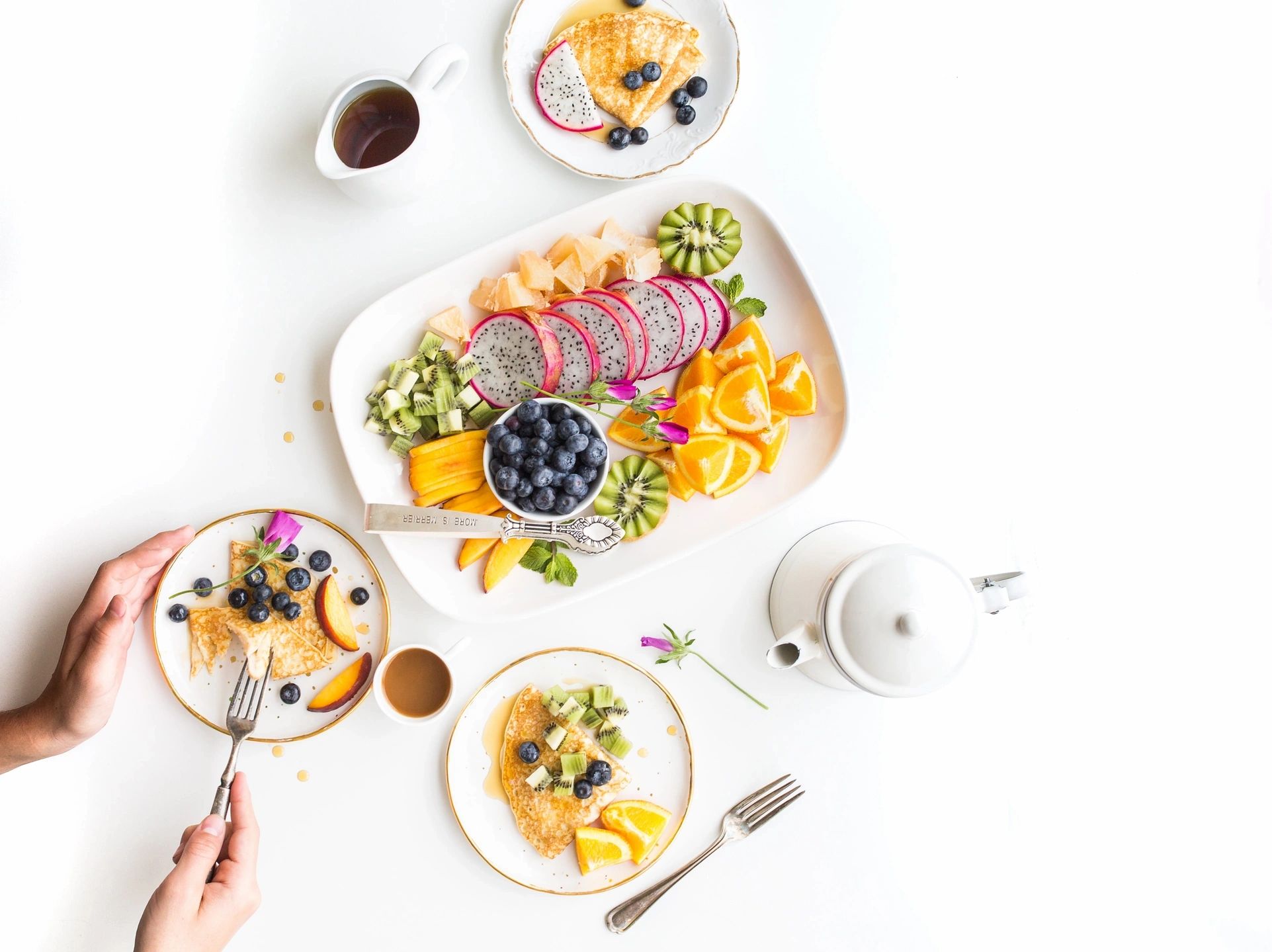
Here are things to eat that keep showing up for almost all searches I performed such as ADD, prostate cancer, Parkinson’s, pancreatitis, liver issues, cancer in general, and health in general….
Primary Recommendations on Lists:
Natural, whole foods, are recommended for better health outcomes across the board (like fruits that came straight off a tree rather than fruit converted into jelly).
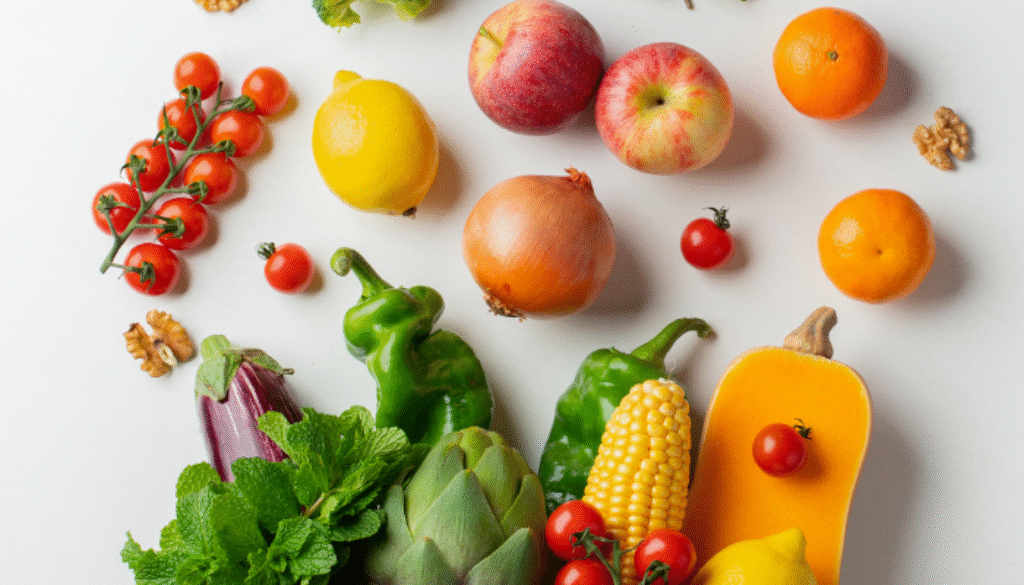
- Vegetables
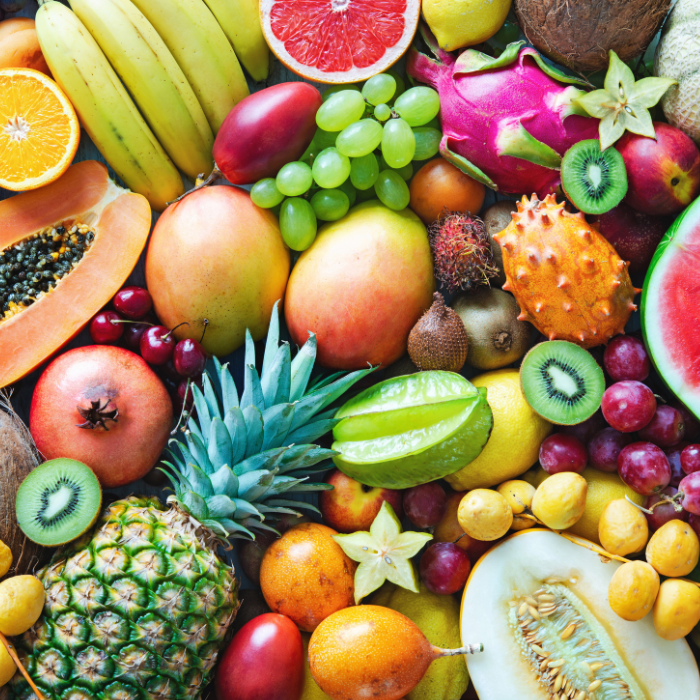
- Fruits
- Whole grains (https://wholegrainscouncil.org/whole-grains-101/whats-whole-grain-refined-grain/gluten-free-whole-grains)
- Beans, lentils, legumes
Secondary Recommendations on Lists:
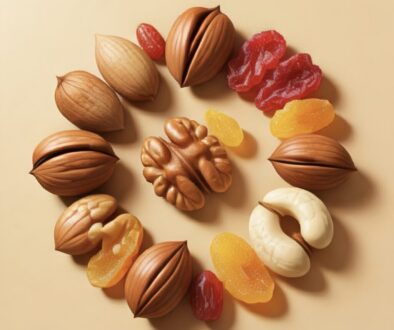
- Nuts
- Some Meats and Animal Products (sparingly) – I did sometimes see chicken, fish, eggs, or dairy mentioned on recommended foods to eat lists, but small infrequent portions were recommend in most cases (there may have been an exception with fish in a prostate cancer study). But as I mentioned with the links above, it also seems animal products overall may carry more risks and generally are recommended to be reduced for fighting various health challenges. There are vegetarian alternatives for nutrient needs and health advantages that can be considered such as studies and Blue Zones for non-meat diets which I include later in this article, but if you’re opting for meat and you have interest in a low animal product diet, the Mediterranean diet https://my.clevelandclinic.org/health/articles/16037-mediterranean-diet was frequently mentioned for healing or improving symptoms for these conditions.
General Nutrition and Healthy Eating Links –
https://pmc.ncbi.nlm.nih.gov/articles/PMC10623543/
General Cancer Recommended Foods –
https://cancerblog.mayoclinic.org/2023/09/19/plant-based-diet-is-encouraged-for-people-with-cancer/
https://www.health.harvard.edu/nutrition/becoming-a-vegetarian
Meat vs Plant Based Longevity and Blue Zones –
https://www.healthline.com/nutrition/blue-zones
https://plantbasednews.org/opinion/opinion-piece/misleading-study-eating-meat-live-longer/
https://pmc.ncbi.nlm.nih.gov/articles/PMC10623543/
Prostate Cancer –
https://chicagoprostatefoundation.org/four-foods-every-man-should-be-eating/
https://www.health.harvard.edu/mens-health/diet-and-prostate-cancer
https://www.urologyinoregon.com/the-best-foods-for-prostate-health/
https://www.cancerresearchuk.org/about-cancer/prostate-cancer/practical-emotional-support/diet
Pancreatitis / Pancreas Health – https://health.clevelandclinic.org/best-and-worst-foods-for-pancreatitis-pain
https://columbiasurgery.org/news/2013/04/11/help-take-pain-out-pancreatitis-your-diet
ADD –
https://extension.oregonstate.edu/ask-extension/featured/dietary-suggestions-adhd-autism
Parkinson’s –
https://parkinsonfoundation.org/blog/a-complete-parkinsons-diet-guide
https://pmc.ncbi.nlm.nih.gov/articles/PMC11380239/
https://health.clevelandclinic.org/the-best-diet-for-parkinsons-disease
Liver Issues –
https://www.healthline.com/health/fatty-liver-diet
Healthy Sugar vs Unhealthy Sugar:
https://www.health.harvard.edu/blog/are-certain-types-of-sugars-healthier-than-others-2019052916699
Date Sugar https://blogs.extension.iastate.edu/answerline/2023/03/21/what-about-date-sugar-as-a-sweetener/
Natural vs Processed / Ultraprocessed Foods:
https://hsph.harvard.edu/news/eating-ultra-processed-foods-may-increase-lung-cancer-risk/
https://med.stanford.edu/news/insights/2025/07/ultra-processed-food–five-things-to-know.html
https://www.health.harvard.edu/heart-health/putting-processed-foods-into-perspective
https://pmc.ncbi.nlm.nih.gov/articles/PMC10675717/
Natural vs Processed / Ultraprocessed Foods Longevity –
https://pubmed.ncbi.nlm.nih.gov/39657624/
Meat vs Plant Based:
https://www.uclahealth.org/news/article/exploring-role-plant-based-diets-cancer-prevention-and-care
https://pmc.ncbi.nlm.nih.gov/articles/PMC3048091/
https://www.cdc.gov/food-safety/php/data-research/foodborne-illness-sources/index.html
Fish: https://oehha.ca.gov/fish/benefits-and-risks-eating-fish
https://www.dshs.texas.gov/seafood-aquatic-life-group/general-information-on-the-risk-eating-fish-seafood-aquatic-life (this article explains fish can be healthy due to lean protein, omegas, and low saturated fat, but I would add if you’re interested to know there are also non-meat sources which I share elsewhere on this page)
SUGARY AND PROCESSED FOODS ALTERNATIVES:
Sugar Alternative = Date sugar
Flour = Breadfruit
Dates
Mangos
Melons
Watermelon
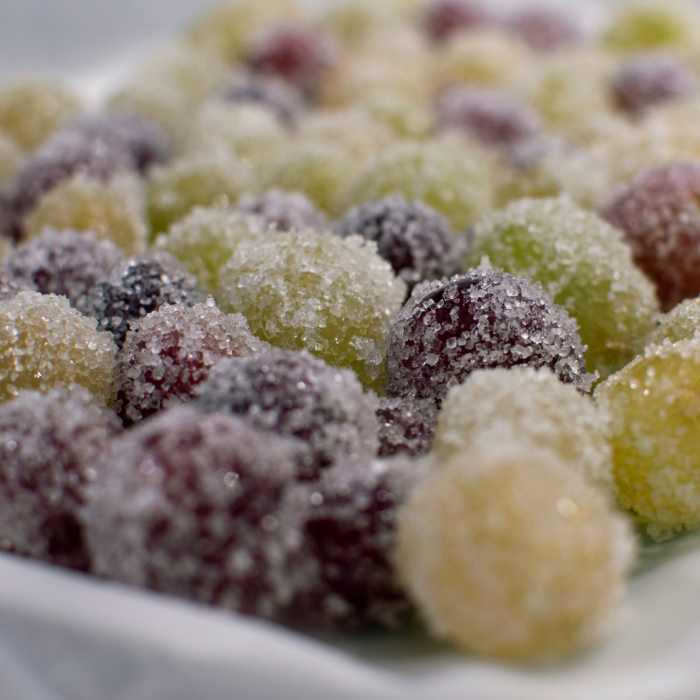
Frozen Grapes
Healthy Smoothies
Potentially Honey
NON MEAT (ANIMAL) AND/OR PLANT BASED ALTERNATIVES:
Since animal products did appear so often in these lists to avoid and since I am plant based so I have researched and continue to follow research on this topic, I figured it would be good to share health information regarding animal, meat, dairy, eggs vs no, or limited, animal consumption (plant based, vegan, vegetarian, and pescatarian) diets and plant based alternatives.
Top Carnivore vs Vegetarians vs Mediterranean Diets Links:
Debate between Physiotherapist and Nutrition Scientist versus Diplomat of the American Board of Obstetrics and Gynecology and Fellowship trained and Board Certified in Reproductive Endocrinology and Infertility –
https://youtu.be/fv7DBw8t8_w?si=8hTRIatvVUm5d7H4
Nation Institute of Health –
https://pmc.ncbi.nlm.nih.gov/articles/PMC11009216/#:~:text=Biological%20age%20is%20considered%20an%20important%20informative,to%20be%20a%20subject%20of%20extensive%20research
https://pmc.ncbi.nlm.nih.gov/articles/PMC10623543/
Blue Zones –
https://www.healthline.com/nutrition/blue-zones
Bryan Johnson (one of the world’s top biohackers) –
https://plantbasednews.org/culture/ethics/bryan-johnson-vegan/
2-Year Vegetarian Diet Body-Building Results Including Testosterone (with religious perspectives which can be put aside to focus on the scientific reporting) – https://youtu.be/GHsYx6kbWTc?si=8gV-scZXQfd4mQ7-
As is true with any diet (meat or no meat), it seems one important practice is to make sure your unique body is getting needed nutrients. I highly recommend for everyone (meat eaters or not) to get your vitamin and nutrition levels tested to find out if you need any food modifications or supplements. Below are sources to answer common nutrition questions for no or low meat diets and alternatives.
Non-Meat / Plant Based Health Information and Alternatives to Meat:
Protein Animal vs Plant Alternatives –
https://www.healthline.com/nutrition/complete-protein-for-vegans
Stanford professors on animal vs plant protein https://youtu.be/R539gZHh_GM?si=nI4w6F6q0C6JBj6h
https://youtu.be/F5j8jH1Mavg?si=mYlCwE4l6AubMs0S
B12 Animal vs Plant Alternatives –
https://youtu.be/QHvRArWglRY?si=S-cpmMiFmCXyvtld (duckweed B12 source)
https://www.amazon.com/dp/B0BRN5PFTC?ref_=ppx_hzsearch_conn_dt_b_fed_asin_title_2 (this is the B12 supplement I currently use)
https://www.mayoclinic.org/healthy-lifestyle/nutrition-and-healthy-eating/in-depth/vegetarian-diet/art-20046446 (vitamin supplements, vitamin-enriched cereals and fortified soy products)
Vitamin D Animal vs Plant Alternatives –
Omegas Animal vs Plant Alternatives –
People commonly eat fish or fish oils to get omegas 3, 6, and 9. However, there are plant based alternatives…
https://www.healthline.com/nutrition/12-omega-3-rich-foods
https://www.health.harvard.edu/newsletter_article/no-need-to-avoid-healthy-omega-6-fats
https://www.amazon.com/dp/B01EVITLHE?ref_=ppx_hzsearch_conn_dt_b_fed_asin_title_1&th=1 (omegas supplement I currently use)
Iron Animal vs Plant Alternatives –
https://www.healthline.com/nutrition/iron-rich-plant-foods
Link for More Healthy Food Ideas, Information, and Recipes:
https://emilyannallen.com/emilyanns-foods/
Additional Healthy Lifestyle Recommendations:
According to research over time, below are more recommended healthy lifestyle suggestions I have come across. I will save linking and sources for another time for these.
- Good hydration
- Fasting
- Sunlight
- Fresh air
- Time in nature
- Grounding / earthing
- Good sleep
- Exercise
- Self care (mental health care)
Circling back to the start of this report, I began this journey when I was researching foods to eat and not to eat for conditions impacting loved ones. It really stood out to me the same foods kept appearing for various conditions, so I thought it would be good to share all of this in case it is useful for anyone.
Here is a link if you want more insights into specific foods I enjoy and recipe ideas: https://emilyannallen.com/emilyanns-foods/
Sending big love to all. Your light shines bright… you are special and loved. There is only one you in the world and you are amazing. Thank you for being you. Every soul and life matters. Love big and live happy! ☀️❤️🤗